




What is SSL?
SSL (Secure Sockets Layer) is an encryption protocol developed to secure data transmissions over the Internet. It was originally developed by Netscape and is now known as TLS (Transport Layer Security). SSL/TLS encryption ensures that all data exchanged between the user and a website is protected and cannot be read or manipulated by third parties.
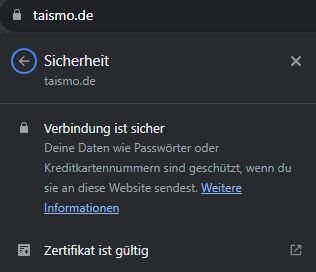
A website that is encrypted with SSL/TLS can be recognized by the "https" protocol before the URL and a padlock symbol in the browser. To activate SSL/TLS encryption, a website must have a valid SSL certificate. This certificate is issued by a trusted certification authority and proves that the website is trustworthy and secure.
Does my website need SSL encryption?
SSL/TLS is particularly important for websites that transmit personal or financial information, such as online banking, e-commerce websites, and social networks. Without secure SSL/TLS encryption, anyone with access to the data can view and use it.
SSL/TLS encryption therefore guarantees secure data transmission on the Internet, protecting users' privacy and security. All websites that collect sensitive user data should implement SSL/TLS encryption to protect their users and their data.
Does SSL encryption play a role in search engine optimization?
Yes, SSL/TLS encryption also plays a role insearch engine optimization (SEO). Search engines rank websites that are encrypted with SSL/TLS higher than unencrypted websites. Secure encryption is seen as an indicator of a user-friendly and trustworthy website. In addition, Google may negatively rank websites that do not have SSL/TLS encryption and cause them to drop in search results.
Therefore, implementing SSL/TLS encryption can also be an important factor in a website's SEO strategy. However, it is important to note that secure encryption is only one part of a comprehensive SEO strategy and is not the only measure for improving search engine rankings.